PORT HARCOURT — For the Amaechi family, Saturday, September 5, is supposed to be a day of grief, prayer and final farewell.
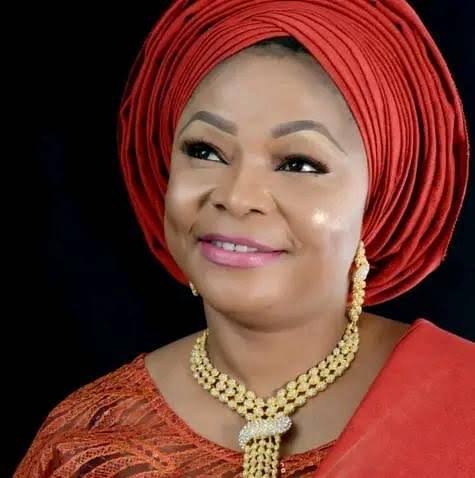
In Ubima, the hometown of former Rivers State Governor, Chibuike Rotimi Amaechi, family members, friends, political associates and sympathisers are expected to gather to bury his mother, Dame Ezinne Mary Oduah Amaechi, who died at the age of 89.
But the burial is taking place against the backdrop of one of Rivers State’s most enduring political rivalries — the bitter relationship between Amaechi and former governor, now Minister of the Federal Capital Territory, Nyesom Wike.
The coincidence has already generated political controversy.
Reports indicate that a civic reception is scheduled for Wike at Omagwa in Ikwerre Local Government Area at noon on the same day as the burial. The event is being hosted by Ikwerre LGA Chairman, Hon. Charles Wobodo, who is also associated with the Rainbow Coalition in the area. A notice circulating ahead of the event invites members and residents to welcome the FCT Minister.
For the Amaechi family, however, the immediate concern is not politics.
It is saying goodbye to a mother.
Dame Mary Amaechi’s death in July brought condolences from across political divides. Former Vice-President Atiku Abubakar and the African Democratic Congress mourned her passing. At the same time, other prominent Nigerians, including President Bola Tinubu and political leaders from different camps, have expressed sympathy to the former governor and his family.
In recent days, the family home and funeral ceremonies have consequently become a gathering point for people whose political affiliations do not necessarily coincide.
Former Anambra State Governor Peter Obi and other political figures were among those who attended the vigil and paid their respects, underscoring the extent to which personal relationships can sometimes rise above political boundaries.
Yet, even as mourners prepare for the final rites in Ubima, allegations have emerged from the Rivers State chapter of the African Democratic Congress that activities planned elsewhere in Ikwerre could obstruct movement to the burial.
The ADC has alleged that the Wike reception, alongside another community event, could create difficulties for mourners travelling to Ubima.
Those allegations, however, have not been independently established, and there is no verified evidence presently available to show that the events were deliberately organised to prevent access to the burial.
That distinction is important.
A political event taking place on the same day as a prominent burial is one thing. Deliberately preventing people from attending a funeral would be something entirely different.
As Rivers politics continues to heat up ahead of the 2027 elections, Saturday’s events may therefore present a quieter but important test: can political opponents allow grief to remain grief?
For residents of Ikwerre, the issue goes beyond Amaechi and Wike.
It is about the ordinary people who may have to travel the same roads, attend the same communities, and live together long after today’s political battles have passed.
A mother is being buried.
Whatever political differences exist between her son and his former political ally, those differences cannot change the fact that a family has lost its matriarch.
The real measure of political maturity, therefore, may not be who attracts the bigger crowd, who controls the road, or whose event dominates the headlines.
It may simply be whether, for a few hours, politics can give way to humanity.
In the end, the people of Rivers State will still have to live together after the speeches, receptions, rallies and elections are over.
And in Ubima on Saturday, one family will simply be asking for the space to say goodbye.