The emerging campaign structure of Hon. Kalejaiye Adeboye Paul, popularly known as KAP, the member representing Ajeromi-Ifelodun Federal Constituency in the House of Representatives, is placing considerable emphasis on political experience, grassroots familiarity, and technical competence as preparations gather momentum for the 2027 general elections.
Kalejaiye, who secured the All Progressives Congress (APC) ticket for the constituency ahead of the 2027 election, is understood to have opted for a combination of seasoned political actors, younger operatives and professionals in putting together his campaign organisation.
The emerging arrangement suggests an attempt to marry the traditional strength of grassroots political mobilisation with expertise in administration, strategic planning, finance, stakeholder engagement and project delivery.
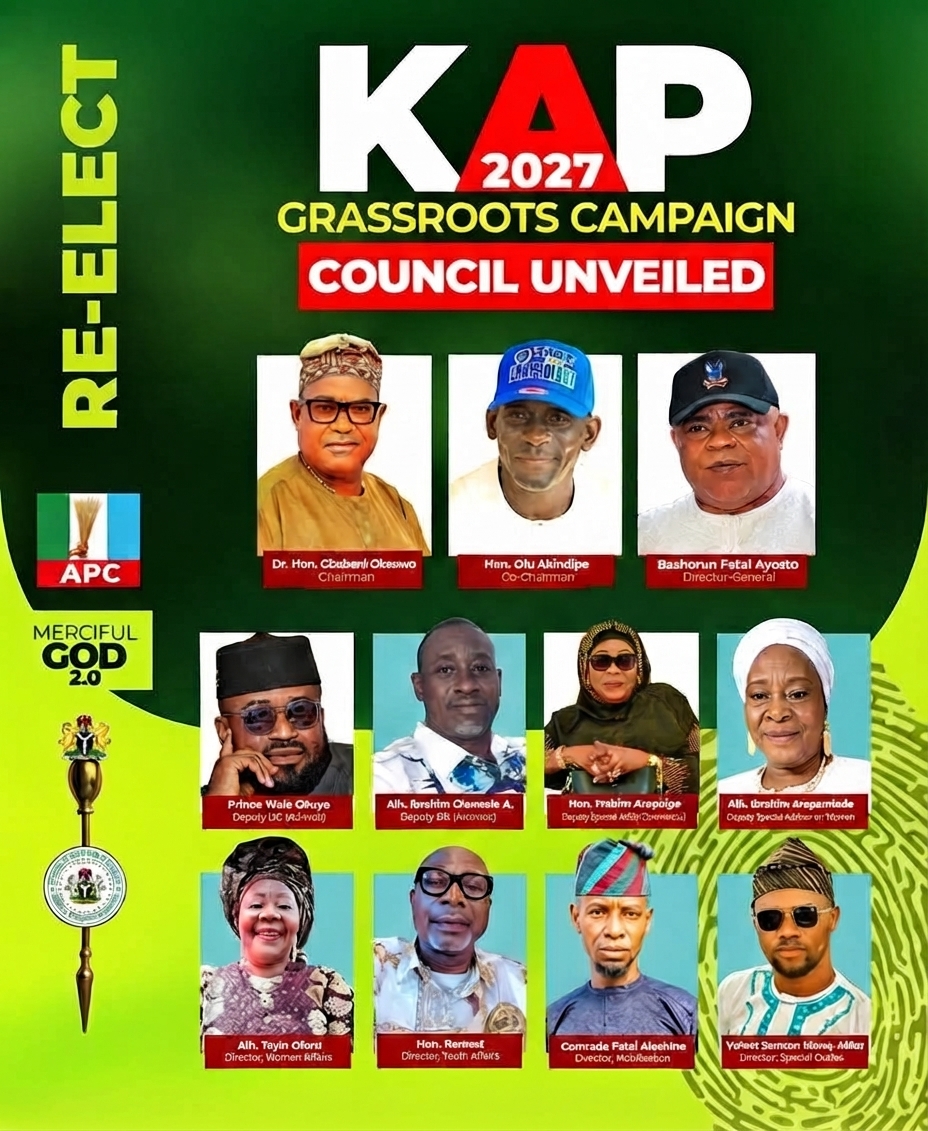
One of the striking features of the arrangement is the decision to retain an experienced Director-General, Hon Fatai Ayoola, while strengthening the structure with additional political and professional hands.
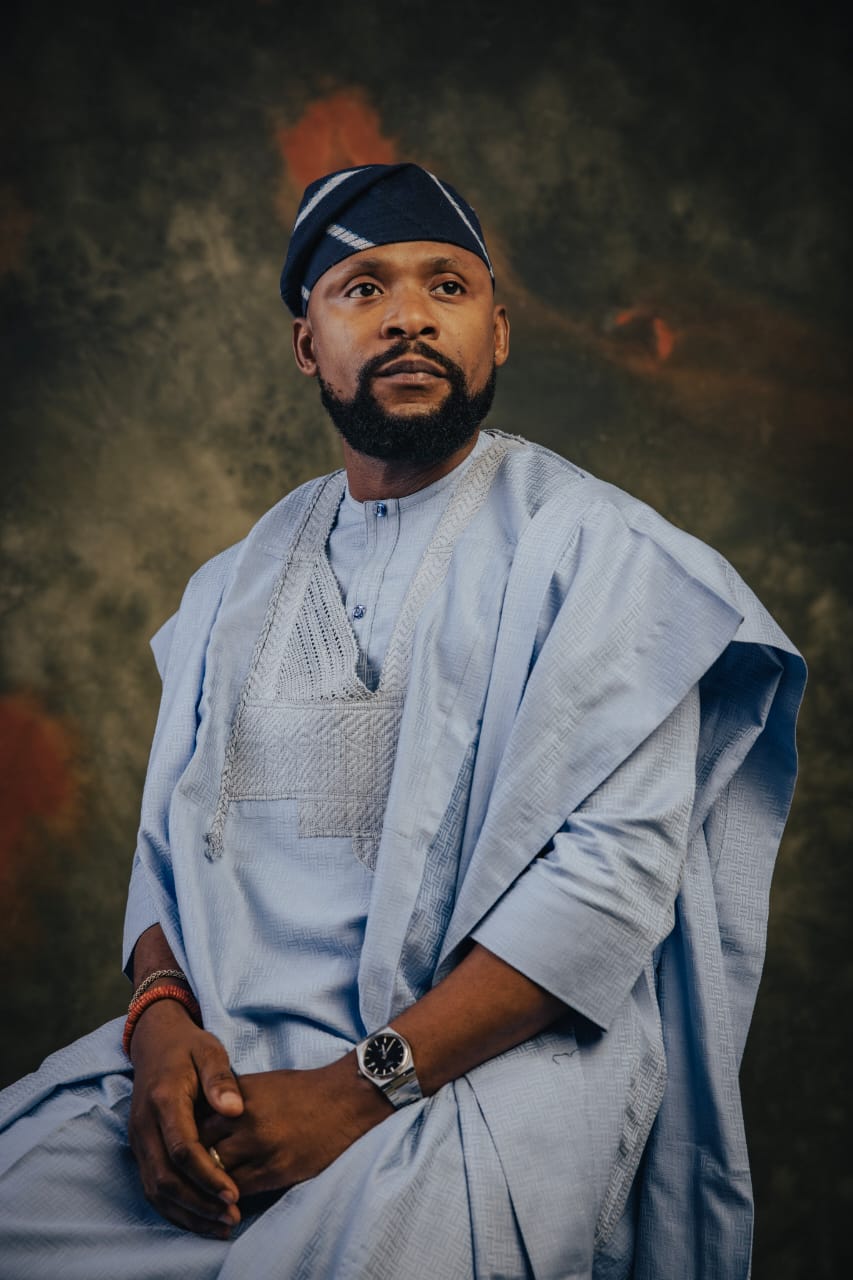
Among those associated with the emerging structure is Prince Wale Oluwa, Deputy Campaign Director, whose background is described in the political circle as a grassroots mobilizer and political influencer who combines public-sector administration, financial management, strategic planning, project delivery and community development.
Oluwa also brings campaign experience to the structure, having previously played roles in Lagos State governorship campaign organisations. His reported involvement consequently adds an administrative and organisational dimension to the campaign beyond conventional ward-to-ward mobilisation.
The choice of personnel comes from the background of Kalejaiye’s own political and administrative experience.
The lawmaker has represented Ajeromi-Ifelodun in the 10th National Assembly since 2023, where he has raised constituency-related matters through motions and interventions.
House proceedings, for instance, record his intervention on the need to rehabilitate the Kirikiri Federal Road, a 6.4-kilometre federal road linking the Boundary Roundabout area with Kirikiri Roundabout.
From this background, the reported campaign structure appears designed to ensure that the political message is backed by personnel capable of handling the organisational demands of a modern election campaign.
For a candidate seeking another term, a campaign organisation is not merely a platform for political mobilisation. It has to coordinate ward structures, stakeholder relations, communication, logistics, research, scheduling, fundraising, volunteers, media operations and election-day activities.
That makes the reported inclusion of people with administrative and project-delivery experience significant to the architecture of the campaign.
Kalejaiye’s earlier experience in Lagos’ water transportation administration also forms part of the broader professional background surrounding the political structure. A 2018 Lagos State Water Transport Programme assessment report identified Kalejaiye Adeboye Paul as Chairman/CEO of the Lagos State Ferry Company at the time.
The combination of political and administrative experience may therefore explain the apparent preference for a campaign structure that goes beyond mobilisation alone.
The emerging arrangement brings into one political organisation people expected to understand the realities of grassroots politics alongside individuals with experience in planning, administration, technical coordination and implementation.
The argument within the campaign camp is that modern political organisations require more than crowds and mobilisation. They also require people capable of translating broad political objectives into structured programmes, coordinating resources, managing relationships and following through on commitments.
This approach is particularly relevant in Ajeromi-Ifelodun, a densely populated and politically active constituency where campaigns traditionally involve extensive engagement with wards, community leaders, party structures, youth groups, women organisations, market associations and other interest groups.
For Kalejaiye, the campaign message is also expected to draw substantially from his legislative and constituency record.
His supporters have pointed to interventions ranging from infrastructure and street lighting to youth training, empowerment and community support. Some of these interventions have also been reported by the national media.
The emerging campaign organisation therefore appears to be taking shape around four broad considerations — experience, planning, mobilisation and delivery.
And within that framework, the inclusion of seasoned political actors alongside younger operatives could become one of the defining characteristics of the campaign.
YEYE IRETI: POLITICAL AMAZON, ANOTHER OLD HORSE BRINGING EXPERIENCE TO THE CAMPAIGN TEAM
Another notable dimension of the emerging campaign structure is the presence and influence of Yeye Ireti, regarded by political observers in Ajeromi-Ifelodun as one of the most experienced women in the local political terrain.
Her value to the structure goes beyond being a prominent female political figure. Her years of grassroots political engagement and familiarity with the womenfolk provide another layer of political experience to a campaign that appears deliberately structured around a mixture of old hands and younger actors.
Yeye Ireti’s presence also connects the campaign to an established political network within Ifelodun and the wider Ajeromi-Ifelodun political environment.
Her political involvement has placed her around several layers of grassroots organisation, giving her familiarity with party structures, community stakeholders and the interests of women who constitute a significant component of grassroots political mobilisation.
Her inclusion therefore fits into the broader pattern emerging around the campaign — the deployment of political experience while simultaneously creating room for younger forces.
OLD HORSES, YOUNG STRENGTH
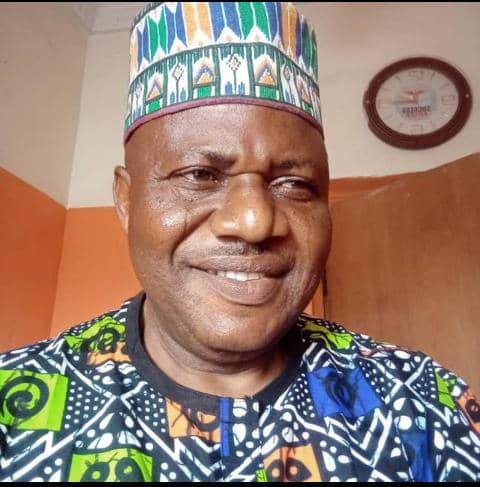
The reported inclusion of Hon. Abdulfatah Ibn Hamzat, a former two-time Supervisory Councillor in Ifelodun and a political actor associated with the HKT group, further strengthens the experience component of the structure.
Ibn Hamzat brings knowledge of local government administration and grassroots politics, having operated within the council system at supervisory level and within a recognised political network in Ifelodun.
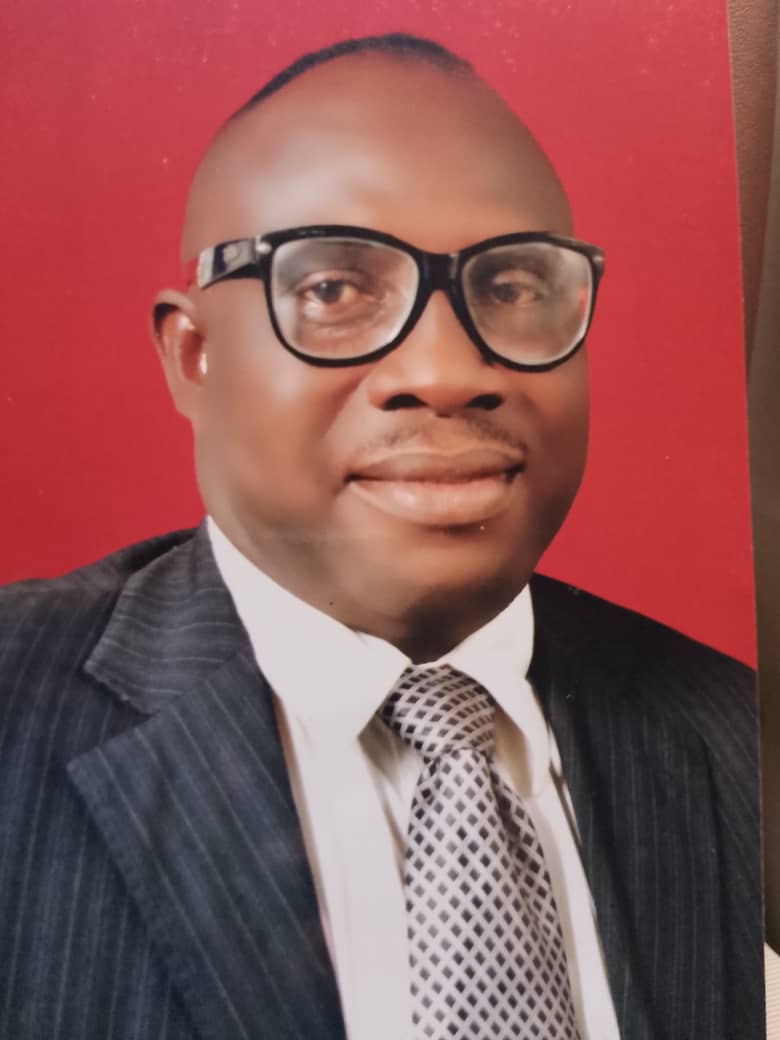
Also coming into the structure is Hon. Toyin Ojora, a former Local Government Chairman of the Peoples Democratic Party (PDP) and currently associated with the Ifelodun G16 political grouping.
Ojora’s experience cuts across local government administration, party politics and grassroots political organisation.
The inclusion of men who have occupied political and administrative positions at different stages gives the campaign access to institutional memory that can be useful in understanding the constituency’s political history, stakeholder relationships and evolving electoral dynamics.
Alongside them are serving supervisors in Ifelodun and other younger political actors whose participation introduces a different dimension to the structure.
The result is a campaign organisation that, at least from its emerging personnel profile, is attempting to combine the wisdom of political experience with the energy of a younger generation.
The older political hands understand the terrain, its history and its networks; the younger operatives bring energy, new communication approaches and the ability to operate within a rapidly changing political environment.
For the womenfolk, Yeye Ireti represents an important part of that equation. Her political visibility and grassroots relationships provide the campaign with a recognisable female political presence at a time when women mobilisation remains an important component of electoral politics.
The broader significance of the arrangement is therefore not necessarily in the number of names on the campaign list, but in the different categories of experience those names represent.
There are political veterans who understand the terrain, former council officials who have operated within grassroots administration, serving political actors who remain connected to the current structure, professionals with technical and administrative backgrounds, and younger operatives bringing fresh energy.
Taken together, the emerging structure reflects an apparent effort to build a campaign machinery in which experience provides institutional memory, professionals provide technical coordination, political actors provide mobilisation, and younger operatives provide energy and new approaches.
The 2027 election will ultimately provide the practical test of how effectively the various components work together.
For now, the personnel being assembled around Kalejaiye’s campaign point to a strategy that places considerable weight on experience, political familiarity, technical competence, grassroots mobilisation and delivery as the contest gradually moves into a more intensive phase.
Display Picture: courtesy Valliant Sampson Idowu