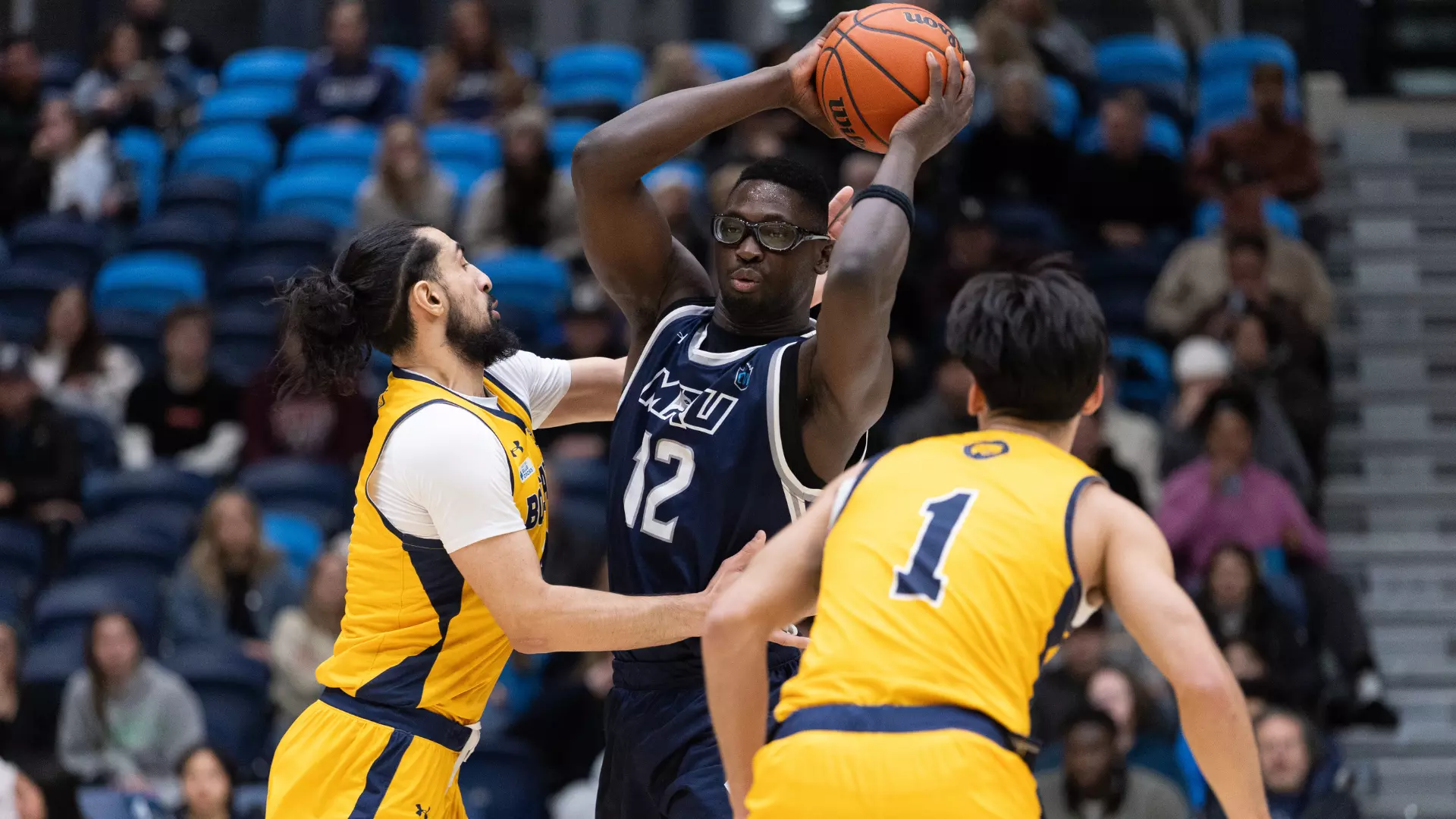
A Nigerian-born basketball player based in Canada, Daniel Owoeye, has outlined ambitious plans to replicate community-driven sports development initiatives in Nigeria, following his emergence as one of eight recipients of the 2025–2026 Athletes on Track Bursary.
Owoeye, who recently concluded his collegiate basketball career at Mount Royal University, earned the prestigious recognition under a programme jointly organised by U SPORTS and BlackNorth Initiative. The award celebrates outstanding achievement in athletics, academics, leadership, and community engagement, and includes a $5,000 bursary as well as mentorship opportunities through the BlackNorth Connect Programme.
The recognition, he said, represents more than personal achievement but a validation of his broader vision of using sports as a platform for social impact, particularly among underserved communities.
Owoeye, who left Nigeria in 2010 and has spent over a decade developing both academically and athletically in Canada, said his journey has been shaped by resilience, adaptation and an evolving sense of purpose. Originally a football enthusiast, he transitioned into basketball several years after relocating, a decision he described as both challenging and transformative.
“Coming into a new country and a new sport at the same time meant I had to deal with inexperience on multiple levels,” he said. “But those challenges helped build the resilience and work ethic that define my journey today.”
He noted that breaking into university-level basketball in Canada required exceptional discipline and persistence, given the highly competitive nature of collegiate sports. Despite early doubts about his chances, he rose to become a key player, operating primarily as a centre while continuously adapting his style of play to meet team needs.
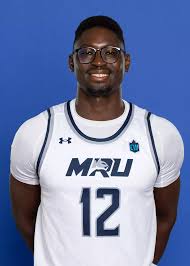
Beyond the court, Owoeye balanced the demands of elite sport with rigorous academic training, graduating in nursing, a decision he said was influenced by both personal values and family background in healthcare.
“In Canada, there is a strong emphasis on being well-rounded. Nursing gave me the mental discipline and empathy to support others, which also translates into how I relate with teammates and community members,” he explained.
Central to his vision, however, is his growing commitment to grassroots sports development. In Canada, Owoeye has been actively involved in community outreach programmes aimed at introducing basketball to underserved youth, while promoting life skills such as discipline, teamwork and mental toughness.
He revealed plans to replicate similar models in Nigeria, with a focus on early-stage talent development and mentorship frameworks driven by experienced coaches.
“It starts with building from the grassroots, identifying young talents and providing them with the right guidance. Coaches who understand the game can transfer not just skills, but also the mindset needed to succeed,” he said.
According to him, early exposure and structured support systems are critical in nurturing long-term excellence, noting that many young athletes can thrive if given the right environment and encouragement.
Owoeye also used the opportunity to highlight structural gaps in Nigeria’s sports ecosystem, particularly in the areas of infrastructure, nutrition and access to basic training resources. Drawing comparisons with Canada, he emphasised that while talent exists in abundance locally, the supporting systems require significant improvement.
“In Canada, facilities are designed to support growth at every level, even though access may come at a cost. In Nigeria, the challenge is not talent but the environment. Players need better courts, proper nutrition and access to essentials like water to perform at their best,” he said.
He stressed that while infrastructural development may take time, deliberate investment, particularly through public-private partnerships and foreign collaboration, would be essential in accelerating progress.
“Development cannot happen in isolation. There is a need for knowledge exchange and investment from outside, combined with local expertise, to build a sustainable system,” he added.
On the international stage, Owoeye expressed a strong desire to represent Nigeria, describing his return to the country as both a personal and professional mission. While acknowledging limited direct engagement with the national team setup, he said he is keen on exploring opportunities to integrate into the system.
“I have spent a lot of time abroad, but Nigeria is home. I want to reconnect, understand the system and contribute at the highest level,” he said.
He added that his dual exposure to Nigerian and Canadian cultures positions him uniquely to bring a blend of resilience and structured development into the national team environment.
Owoeye also spoke about his admiration for global basketball figures whose journeys mirror his own, particularly those who have successfully navigated dual identities while making a global impact. He noted that such examples continue to inspire his professional aspirations and commitment to excellence.
As he transitions from collegiate to professional basketball, the Nigerian-born athlete said he is currently focused on refining his skills and identifying the right opportunities that align with his long-term development goals.
“I am looking for an environment that will help me grow into the next level of my career. It is not just about playing professionally, but about continuous improvement and impact,” he said.
He emphasised his team-oriented approach, noting that leadership, for him, extends beyond personal performance to uplifting others within the system.
“I have always believed in building others up. Whether it is teammates or younger players, success is stronger when it is shared,” he added.
Reflecting on his journey, Owoeye highlighted the importance of mental toughness, drawing from personal experiences with injuries and setbacks during his early years in university basketball.
“For a long time, I struggled with injuries, but those moments taught me that strength begins in the mind. You have to believe before you can perform,” he said.
He maintained that this mindset forms a critical part of what he hopes to instil in young athletes through his community initiatives, both in Canada and in Nigeria.
With his growing profile, Owoeye’s aspirations extend beyond personal success to contributing meaningfully to Nigeria’s sports development landscape. His focus on grassroots engagement, infrastructure advocacy, and national representation reflects a broader vision of sports as a vehicle for youth empowerment and national growth.
As Nigeria continues to seek sustainable pathways for developing its sporting potential, initiatives such as those proposed by Owoeye may offer a template for integrating diaspora experience with local development needs, bridging gaps, and creating opportunities for the next generation of athletes.