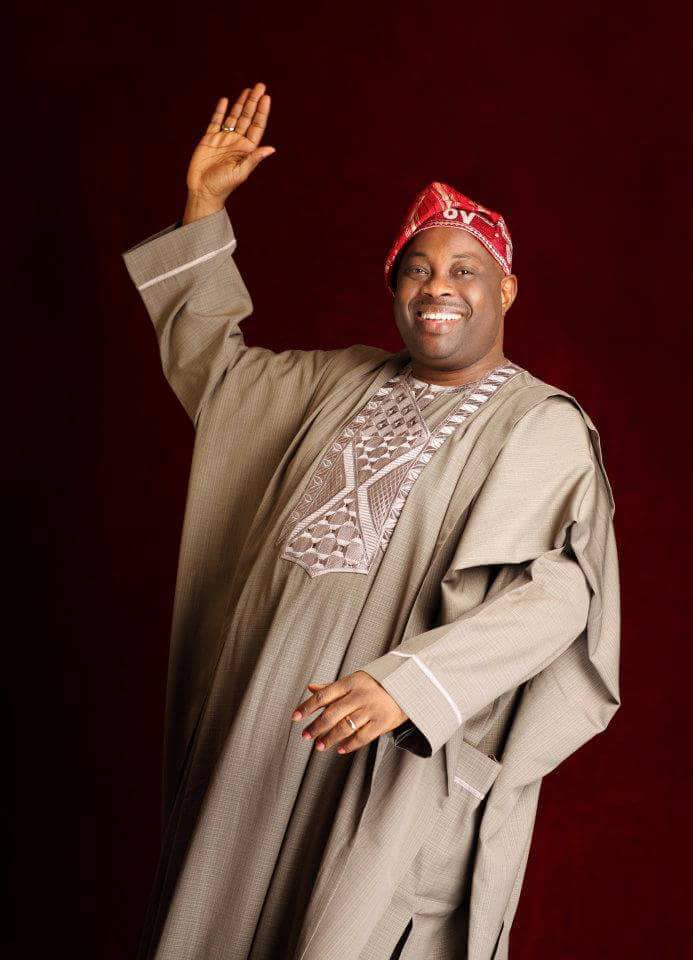
The controversy over the long overpowered proposed relocation of the Tolu Schools Complex in Ajegunle has resurfaced in the political narrative surrounding the 2027 House of Representatives race in Ajeromi-Ifelodun Federal Constituency.
The issue, which dates back to the early 2000s, has been recalled by Paul West, the PDP Ajeromi Ifelodun Chair of Chair who said the episode was one of the early instances in which Hon. Dr. Oladipupo Wilson Diriwari became involved in a community struggle over the future of public education.
According to West, the Lagos State Government had at the time considered relocating the Tolu Schools Complex to make way for another “underwhelmed, tokenized development project”, a move that reportedly generated opposition among residents, parents, and other stakeholders.
West said, Diriwari, a lawyer and grassroots community leader, joined the opposition to the proposed relocation, arguing that the interests of pupils and the wider community should not be sacrificed in the name of development.
He recalled Diriwari’s position at the time with the statement: “Development that destroys schools is not development for the people.”
The Tolu Schools controversy, West said, subsequently became part of the record cited by Diriwari’s supporters in tracing his grassroots activities in Ajeromi-Ifelodun, “condemning the people that had wished away the schools but later came to take glory for refurbishing it, and he questioned who of this people have the love of the constituency more”.
Education as a recurring theme
West also linked the Tolu episode to Diriwari’s subsequent involvement in educational interventions through the OWD Foundation.
According to him, the foundation has supported indigent students with registration for examinations, including JAMB, WAEC and GCE, particularly those whose families might otherwise struggle to meet the financial requirements.
West said the interventions had enabled some students from less-privileged backgrounds to participate in examinations critical to their educational progression.
The connection, he argued, was significant because Diriwari’s involvement in education-related issues was not limited to the current electoral cycle.
A political history before the ballot
The resurfacing of the Tolu Schools controversy comes as political activities gather momentum ahead of the 2027 general elections, with Diriwari featuring in discussions over the contest for the Ajeromi-Ifelodun federal constituency.
West maintained that Diriwari’s political profile in the constituency should be viewed against the backdrop of his earlier community engagements rather than solely through the prism of the forthcoming election.
He said the Tolu Schools episode was particularly noteworthy because it occurred years before Diriwari’s current electoral ambition.
For Diriwari’s supporters, the controversy remains an important chapter in his grassroots history. At the same time, the broader political contest will ultimately determine how voters assess his record, alongside those of other contenders seeking their mandate in 2027.
The Tolu Schools story, therefore, has evolved beyond the original dispute over a school complex to become part of the broader debate over community leadership, public education, and political representation in Ajeromi-Ifelodun.