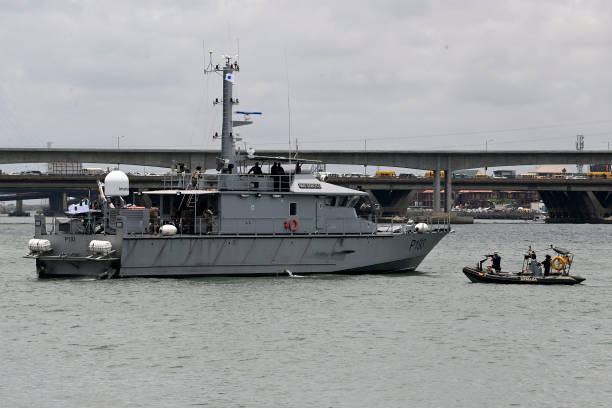
With the 2026 Seafarers’ Day drawing closer, concerns are mounting among sections of Nigeria’s maritime workforce over the status of promised training opportunities and employment pathways for young seafarers.
Some maritime workers have questioned the pace of implementation of the Standards of Training, Certification and Watchkeeping (STCW) support programme reportedly announced by the Director-General of the Nigerian Maritime Administration and Safety Agency (NIMASA). According to the aggrieved seafarers, assurances were given that underage cadets registered through their unions would receive structured training support. Still, they claim there has been no visible progress almost a year after the announcement.
A seafarer who spoke on condition of anonymity said many young Nigerians from seafaring families remain uncertain about their prospects in the industry. “We were told there would be opportunities for training and placement. As Seafarers’ Day approaches again, we are hoping for concrete action, not just renewed promises,” he said.
Another stakeholder noted that, beyond training, employment placement remains a major challenge, alleging that several certified seafarers have yet to secure the onboard experience required for career progression.
However, efforts to reach NIMASA for official clarification were ongoing as of press time. The agency has, in previous public statements, reiterated its commitment to capacity development, maritime safety compliance, and youth empowerment within the sector. Industry observers note that NIMASA has over the years implemented cadet training schemes and overseas placement programmes aimed at boosting indigenous participation in global shipping.
Maritime analysts say the STCW certification framework is critical to ensuring Nigerian seafarers meet international standards under the International Maritime Organization (IMO) regime. They argue that any delay in training or certification support could affect the global competitiveness of the country’s maritime workforce.
The concerns are also emerging ahead of leadership elections within the Shipping Federation unit scheduled for March. Some members believe the forthcoming election presents an opportunity for renewed advocacy and strategic engagement with regulators on training timelines and cadet placements.
Industry experts caution that while frustrations within the sector are understandable, sustained dialogue between regulators, unions and private shipping operators remains essential to addressing systemic challenges such as funding constraints, limited sea-time berths and regulatory bottlenecks.
As Seafarers’ Day approaches, stakeholders say measurable progress on training enrolment, certification processes and onboard placements would help restore confidence among Nigeria’s seafaring community and strengthen the nation’s position in the global maritime industry.
Seafarers Raise Concerns Over STCW Training Delays, Seek Clarity from NIMASA