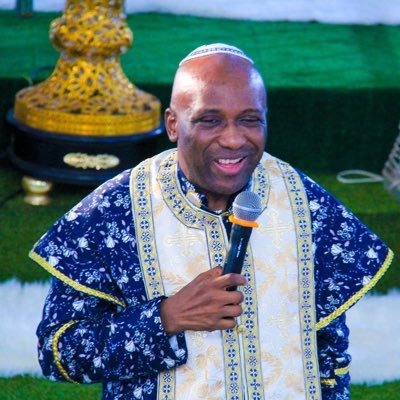
A wave of strong reactions has continued to trail the clarification issued by the Leader of INRI Evangelical Spiritual Church, Primate Elijah Ayodele, over his recent comments suggesting that the Igbo ethnic group is hindered by a “curse” that affects their chances of producing Nigeria’s President.
The cleric, in a message circulated on Monday, insisted his earlier comments were misunderstood, stating that he harbors no hatred for any ethnic group and that his remarks were meant to provide “solutions” to the long-standing political exclusion of the Igbos. He maintained that the statement was neither an attack on the tribe nor a declaration against Igbo presidency in 2027.
However, the clarification did little to calm rising outrage, as prominent Nigerians, rights activists and social media users intensified criticism, describing the remarks as insensitive, divisive and unbecoming of a religious leader.
Omirhobo Condemns ‘Reckless and Divisive’ Remark
Human rights advocate and constitutional lawyer, Chief Malcolm Emokiniovo Omirhobo, issued a strongly-worded statement condemning the cleric’s comments, which he described as “reckless, hateful and constitutionally ignorant.”
According to Omirhobo, Nigeria’s democracy is governed by the 1999 Constitution and not by religious prophecies or ethnic profiling.
“Leadership in Nigeria is determined by constitutional qualification and the will of the electorate,not by curses or prophetic politics,” he said.
He emphasized that branding an entire ethnic group as “a problem” or “cursed” amounts to hate speech and an assault on national unity. The lawyer insisted that Primate Ayodele owes the Igbo people and the entire country “an unreserved apology.”
Social Media Reactions Intensify
Across X (formerly Twitter), many users expressed outrage, insisting that the cleric should own up to his remarks rather than claiming misinterpretation.
@oteessolutions1, reacting sharply, wrote:
“Nobody misquoted you. You said Igbos are the problem of Nigeria, cursed and desperate for power. Your words were painfully direct. No clarification can cover that.”
Another user, @RealOlaudah, described the comments as “hateful and damaging,” calling on the cleric to “repent before the wrath of God visits you.”
Religious and scriptural arguments also surfaced. @Obinique quoted Matthew 24:11, warning Nigerians about “false prophets who deceive many,” while outlining biblical standards for identifying authentic prophetic voices.
Similarly, @Chijosnews accused the cleric of promoting harmful stereotypes:
“Labeling an entire ethnic group as ‘cursed’ is bigotry disguised as spirituality. Prophecy should uplift, not stigmatize.”
Another respondent, @EfunnugaAdeboye, wondered why the cleric singled out one ethnic group:
“Which tribe in Nigeria is free from curse? Why profile a whole tribe? Apologize and move on, sir.”
Ayodele Insists He Was Misunderstood
Despite the backlash, Primate Ayodele maintains that his message was aimed at offering “spiritual guidance” toward helping the Igbo political cause ahead of the 2027 elections.
He argued that he was delivering a divine message and that it was up to the public to either “follow or reject it.”
Calls for Peace and Responsibility
The controversy has rekindled public debate about the role of religious leaders in political discourse, with many urging caution to avoid inflaming ethnic sensitivities in an already fragile nation.
Omirhobo warned that Nigeria “has suffered enough from divisive rhetoric” and stressed the need for unity, justice and respect for all ethnic groups.
As reactions continue to pour in, observers say the episode underscores the growing demand for restraint and responsible communication from public figures—especially those with large followings.