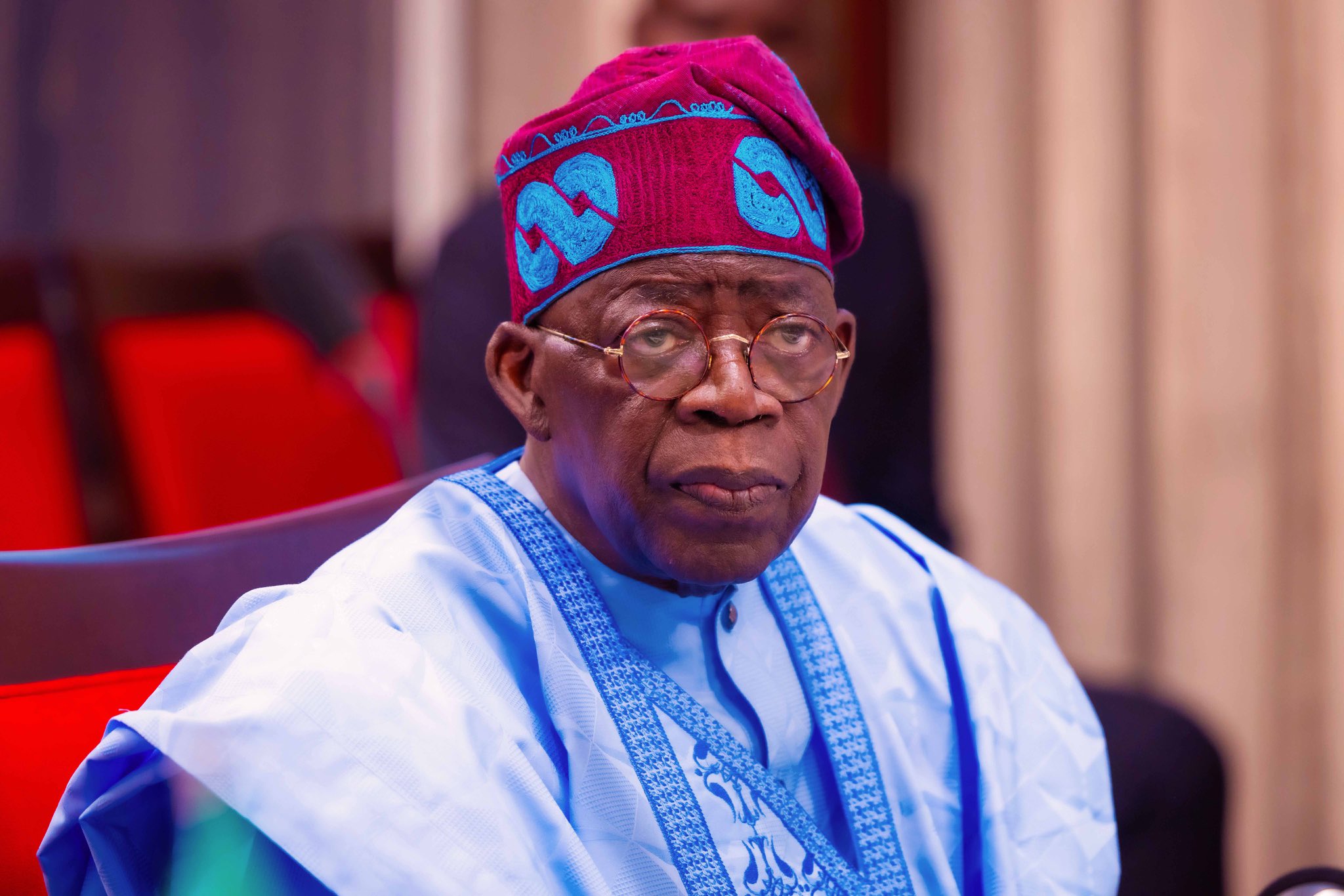
Lagos has always prided itself on political maturity. Its leaders are widely regarded as astute, measured, and sensitive to the delicate dynamics required to maintain harmony in a state as diverse as ours. President Bola Ahmed Tinubu, the chief architect of modern Lagos politics, embodies this wisdom. His decisions are often guided not by emotion, but by facts, fairness, and a deep understanding of political balance.
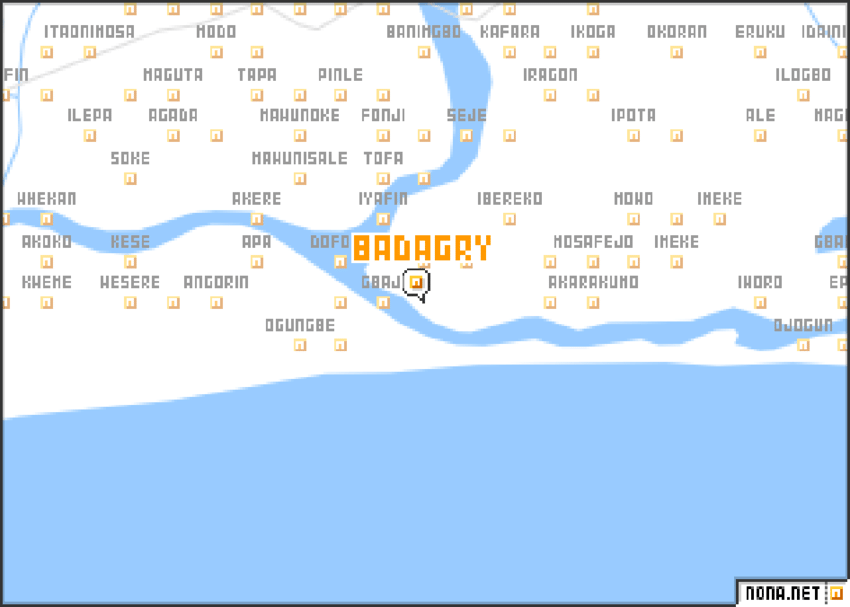
Since the creation of Lagos State in 1967, the informal rotation of leadership among its divisions has been evident, even if unwritten. From Ikeja to Ikorodu, from Epe to Lagos Island, each of these divisions has, at one point or another, produced governors who have shaped the trajectory of the state. But conspicuously missing from this leadership history is one of the state’s earliest and most historically significant regions: Badagry Division.
The statistics speak for themselves. From Brigadier Mobolaji Johnson to the incumbent Governor Babajide Sanwo-Olu, no Lagos governor has ever emerged from the Division. This is despite the fact that Badagry Division stands as the cradle of civilization, Christianity, and formal education in Lagos, and has consistently contributed to the political, social, and economic development of the state.
Crucially, this omission is not due to a lack of qualified or accomplished citizens from the division. Badagry Division boasts some of Lagos’ most distinguished minds—professionals, administrators, lawmakers, and community leaders who have demonstrated competence and integrity across various spheres. The division has also remained a loyal partner in every administration. What it has not been given is the opportunity to lead.
This persistent imbalance runs contrary to the values of fairness, inclusion, and justice that Lagos State publicly upholds. In a state that positions itself as a model of equity and progressive governance, every division deserves a fair place at the leadership table. Badagry Division is not a historical footnote; it consists of living, vibrant communities whose contributions are woven into the fabric of Lagos’ identity.
As the 2027 governorship race approaches, Lagos has an opportunity and indeed an obligation to correct this long-standing oversight. Supporting a qualified candidate from Badagry Division is not a sentimental gesture; it is a necessary step toward equity, unity, and lasting political balance.
If Lagos truly seeks to embody inclusive governance, then the next chapter of its leadership should begin where it has never begun before: Badagry Division