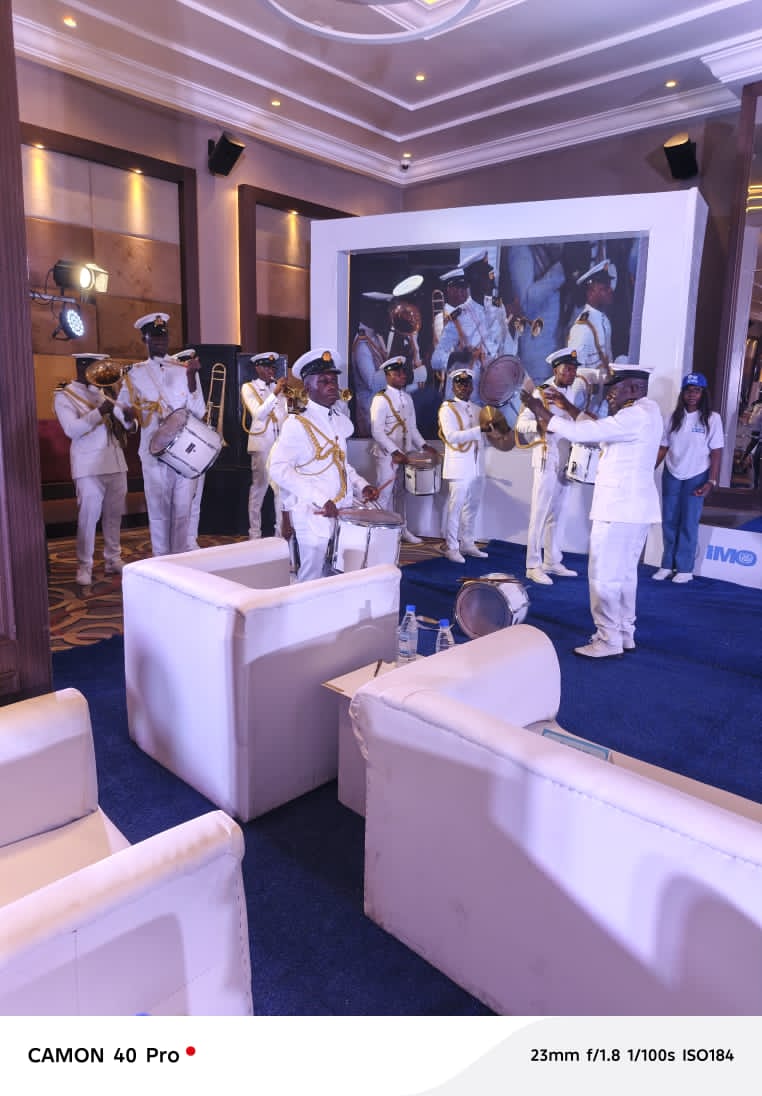
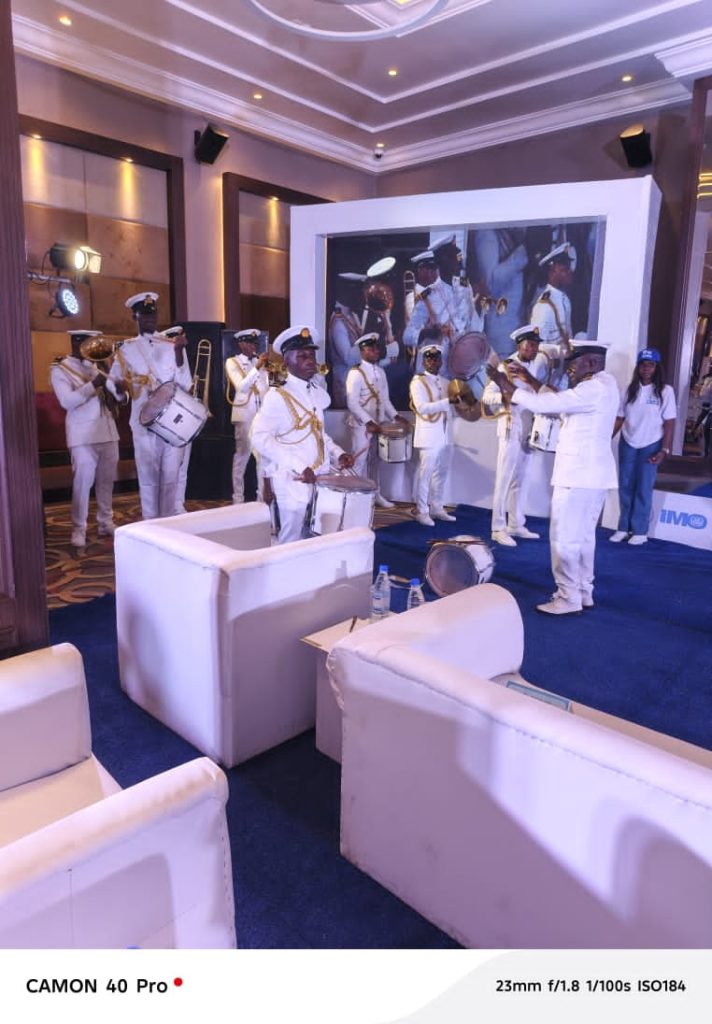
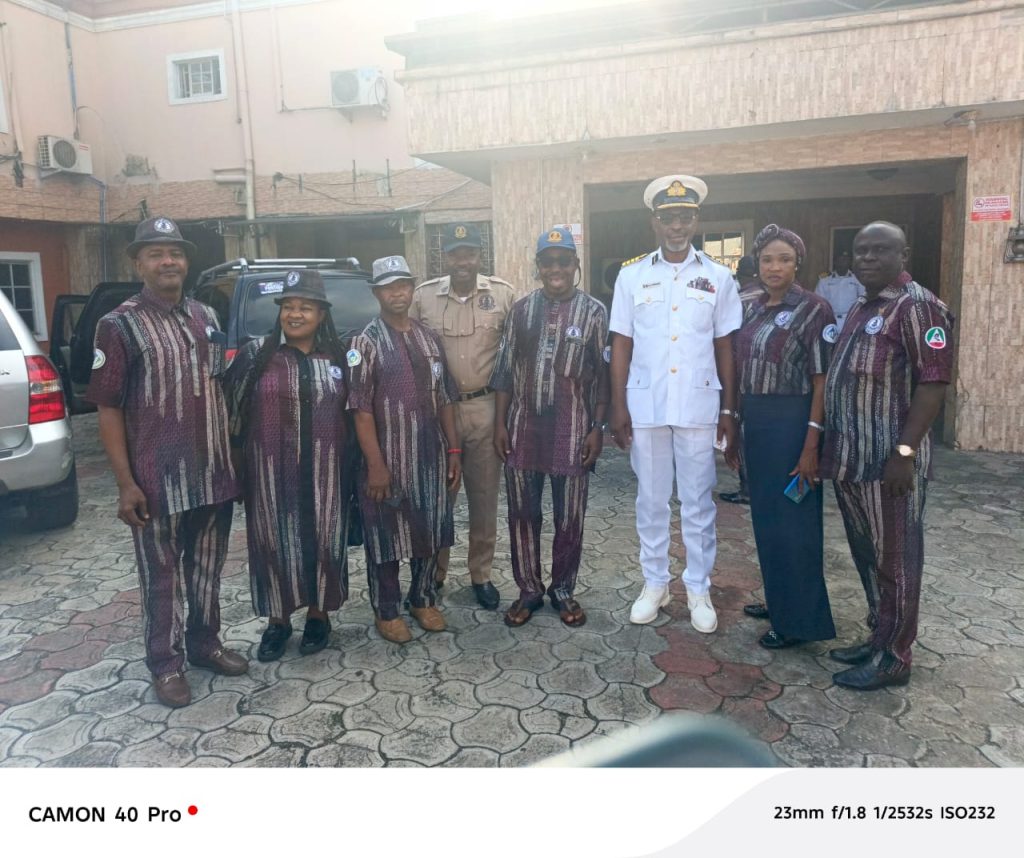
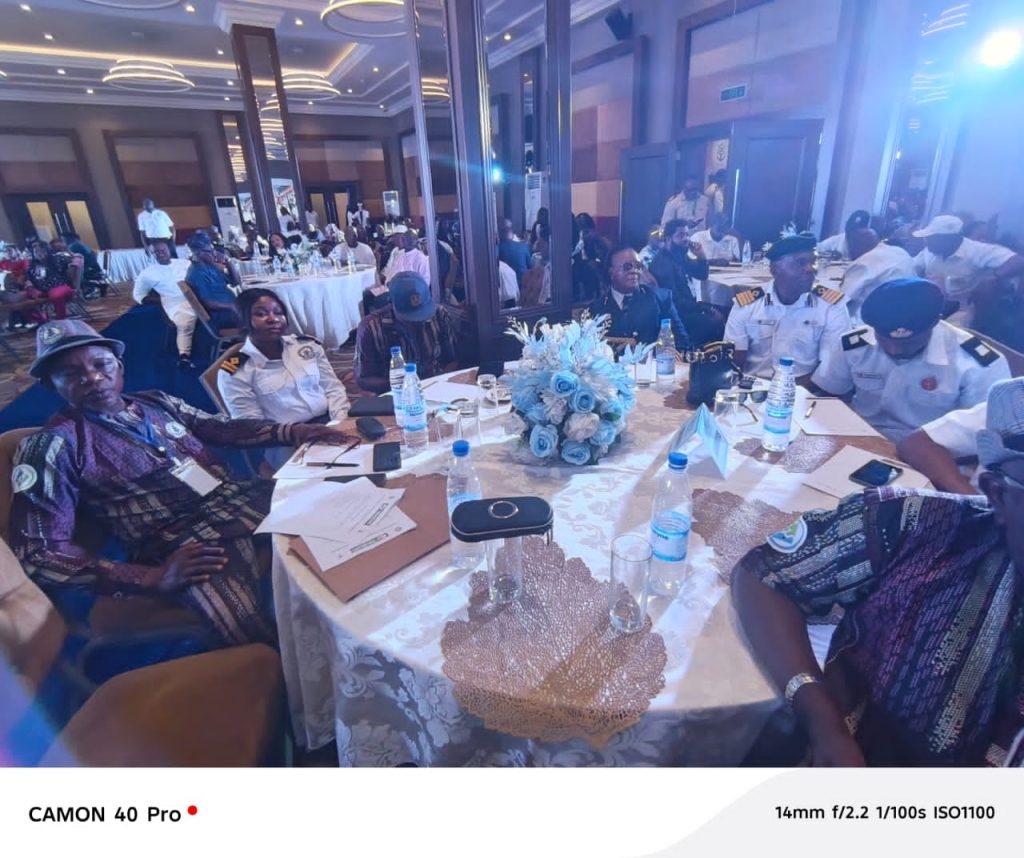
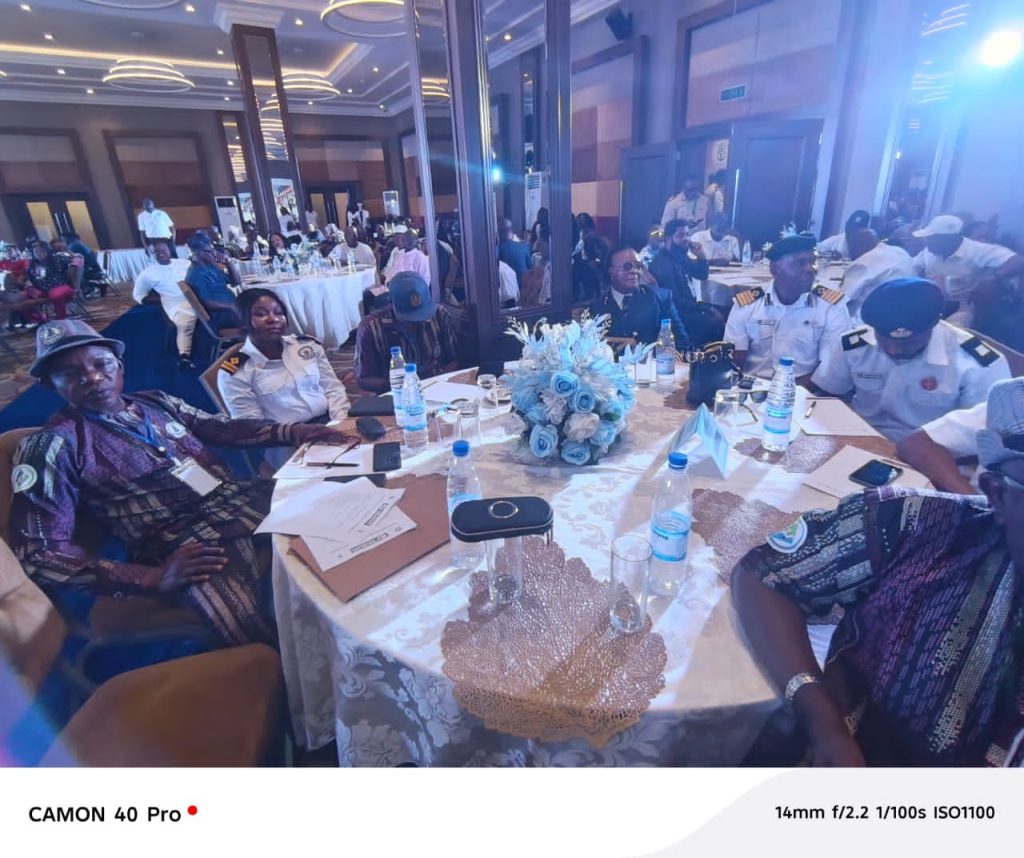
Captain Hambalu Ahmed has decried the rate of harassment, bullying, and discrimination against seafarers. He disclosed this while delivering a paper titled: “Creating a Culture of Respect: Building Harassment-Free Ships Through Awareness, Accountability, and Inclusion at the occasion of the Day of the Seafarer 2025, in Port Harcourt, Rivers State.
A retired staff member of the NLNG, Captain Yusuf, in a keynote speech, said the discrimination destroys essential trust among staff and it’s dangerous
He shared a personal experience:
“I want to share something that happened to me during my career at sea. When Nigerian ratings first joined my vessel, the Chief Engineer was convinced they were fighting because of how loudly and passionately they spoke in the alleyway.
“What he witnessed wasn’t conflict—it was culture. But his misunderstanding could have led to unfair treatment, missed opportunities, and a divided crew.
This story illustrates a broader truth: Our industry brings together people from every corner of the world, but we haven’t always done enough to ensure everyone feels valued and safe”.
For him, the seafarers are not valued the way they should despite the risky nature of their job. So there’s a need to build a culture based on dignity
He explains more: “Harassment at sea takes many forms. It might be the verbal abuse directed at a junior officer, the sexual misconduct that silences victims, the racial slurs that poison the atmosphere, or the systematic exclusion that denies opportunities based on nationality or gender. Each incident doesn’t just harm an individual—it compromises the safety and efficiency of our entire operation.
“The maritime industry stands at a crossroads. Globalisation has brought unprecedented diversity to our crews, but it has also highlighted the urgent need for a culture built on dignity and respect.
The International Labour Organization recognised this when they strengthened the Maritime Labour Convention in 2019, explicitly addressing harassment and bullying. The message was clear: a safe workplace isn’t just about life jackets and fire drills—it’s about creating an environment where every person can work without fear”, Captain Yusuf noted.
He revealed that ships with inclusivity and respect for culture are safer with better communication and a strong work team that looks out for each other. This enhances their performance because the workforce feels valued.
The retired LNNG staff noted that there’s a need to create a culture of respect and awareness so that everyone can understand what harassment is all about.
He emphasized the essence of training, which goes beyond checking boxes. Seafarers need to be engaged in real conversations about different cultural norms and honest discussions about power dynamics. With this in mind, when Nigerian maritime institutions prepare the next generation of seafarers, respect and inclusion must be as fundamental as navigation and seamanship.
Aside from creating awareness, accountability also matters, and every ship must have clear, accessible ways to report problems—channels that guarantee confidentiality and protection from retaliation.
Anonymous helplines are connected to shore-based support. Regular audits that take the cultural climate as seriously as safety compliance.
And when harassment occurs, the response must be swift and clear.
For these laid-down channels to work effectively, unions, regulatory agencies, and companies must work together.
In Nigeria, this means the unions, companies, and regulators must work together. They have to monitor how crew members are treated and handle grievances fairly and transparently.
He added that embracing true inclusion involves celebrating the strength that comes from diversity.
Captain Yusuf also emphasized the importance of managing diverse cultural backgrounds effectively, as this fosters harmony in the workplace.
“For Nigeria’s maritime sector, this represents a tremendous opportunity. We’re moving beyond our traditionally male-dominated industry to embrace gender mainstreaming, scholarships for female cadets, and mentorship programmes that ensure everyone has a path forward.
“On the way forward, the changes we need won’t happen overnight, but they start with each of us making a choice.
We need NIMASA to establish binding regulations with real enforcement. Our maritime training institutions must update their curricula to include human rights and social cohesion alongside technical skills.
” Shipping companies must regularly assess crew satisfaction and safety culture, not just mechanical systems.
But most importantly, we need each seafarer to commit to being part of the solution. When you see harassment, speak up. When you witness bullying, intervene safely. When you meet someone different from yourself, choose curiosity over suspicion.
“Imagine a maritime industry where every seafarer—regardless of gender, race, nationality, or rank—can focus entirely on doing their job well. Where the young cadet feels supported, not intimidated. Where the experienced officer leads through respect, not fear. Where diversity is seen as our greatest strength, not a source of division.
“This isn’t just a nice idea—it’s a business imperative. In an industry where split-second decisions can mean the difference between life and death, we cannot afford the dysfunction that comes from harassment and bullying.
“As we celebrate Day of the Seafarers 2025, I challenge each of you to be a champion for dignity at sea,” Captain Yusuf emphasized.
The ocean he observed doesn’t care about our differences. Neither should harassment have any place in the industry.
EYEGATE MEDIA LIMITED ARE THE PUBLISHERS OF TRANSPORTATION FOCUS AND LAGOS FOCUS NEWS