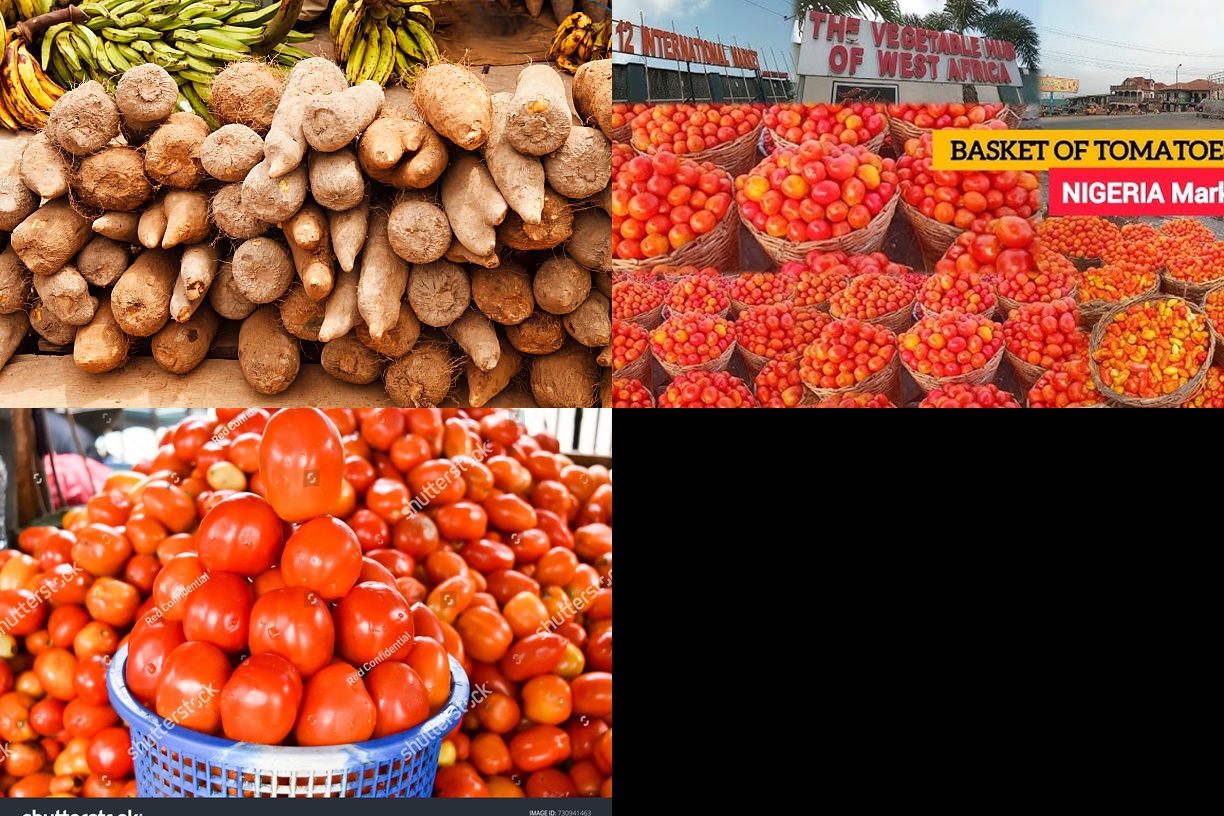
By Samuel Orji
In the bustling streets of Lagos, where life moves fast and survival demands even faster thinking, 42-year-old commercial driver Musa Adamu starts his day before sunrise. But these days, he says, the struggle begins long before he turns on his engine.
“Fuel don cost too much,” he says, shaking his head. “If I buy fuel in the morning, before night I don’t even make gain again. Na just to survive.”
Musa’s story is not unique. Across Nigeria, millions are grappling with an economic reality that grows harsher by the day, one shaped not only by domestic policies but also by distant global tensions.
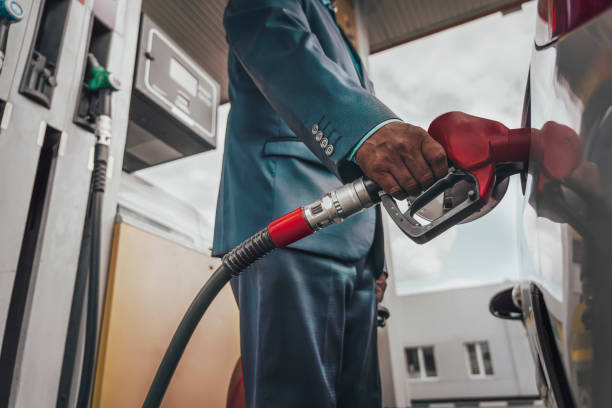
At first glance, rising oil prices triggered by geopolitical confrontations, particularly between the United States and Iran, should favour Nigeria, a major oil-producing nation. Iran’s strategic position near the Strait of Hormuz means any escalation in conflict sends shockwaves through global oil supply chains, pushing crude prices higher.
For oil exporters, this often translates into increased revenue.
But in Nigeria, the story takes a different turn.
THE DRIVER WHO CAN’T DRIVE PROFIT
For Musa and thousands like him, higher global oil prices do not mean prosperity they mean pain.
“I don increase transport fare, but passengers dey complain. Some no even dey come out again,” he explains. “If I no increase, I go run at loss.”
Across Lagos, commuters now spend a significant portion of their income just getting to work. For low-income earners, transport alone can consume up to a third of daily earnings.
The chain reaction is clear: higher fuel prices lead to higher transport costs, and everything else follows.
FROM MARKET STALLS TO EMPTY KITCHENS
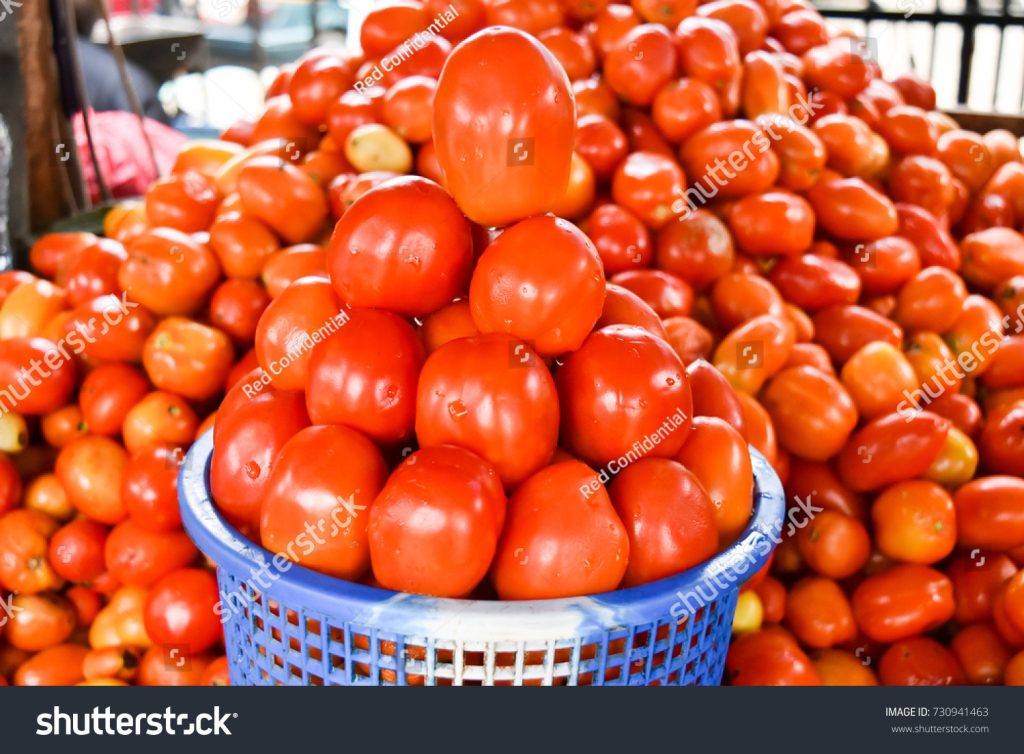
At Mile 12 market, one of the largest food hubs in Lagos, trader Mrs. Bisi Ogunleye arranges her tomatoes carefully, hoping to attract buyers despite rising prices.
“Last year, I could sell a basket of tomatoes for cheaper,” she says. “Now, even I dey beg customers to understand. Transport cost don kill us.”
She points to a small basket that now sells for nearly double what it cost just months ago.
“People no dey buy like before. Some go price, then waka go.”
For families, the impact is severe. A mother of three, Grace Eze, says feeding her household has become a daily calculation.
“We don reduce how we eat,” she admits quietly. “Sometimes, na once a day. Meat don turn luxury.”
THE PARADOX OF AN OIL NATION
Nigeria’s economic contradiction has never been more glaring.
Despite being one of Africa’s largest crude oil producers, the country still imports most of its refined petroleum products. This means Nigerians do not consume crude oil; they consume petrol and diesel priced at international market rates.
So when global oil prices rise, Nigeria earns more, but Nigerians pay more.
The removal of fuel subsidy in 2023 exposed this reality even further. Pump prices now reflect global market conditions, leaving citizens directly vulnerable to international shocks.
THE NAIRA EFFECT
Compounding the crisis is the continued weakness of the naira.
As global uncertainty increases, investor confidence often drops, putting pressure on emerging market currencies. For Nigeria, this translates into a weaker naira, making imports from fuel to food more expensive.
For small business owners like Chinedu Okafor, who runs a barbing salon powered by a generator, the effect is immediate.
“Diesel price no be here,” he says. “If I no increase price, I no fit run. But if I increase, customers go run.”
It is a lose-lose situation, one repeated across thousands of small businesses nationwide.
WHEN GOVERNMENT GAINS, THE PEOPLE STRAIN
While government revenues may improve during periods of high oil prices, these gains rarely translate quickly into relief for citizens.
Instead, the benefits are often offset by structural challenges: debt servicing, exchange rate pressures, and the high cost of governance.
Meanwhile, the average Nigerian who spends the bulk of their income on food and transport feels every price increase instantly.
Economic growth figures may look stable on paper, but on the streets, the reality is starkly different.
A STRUCTURAL FAILURE OR NOT JUST A GLOBAL PROBLEM
This is not merely a story of global oil politics. It is a story of domestic vulnerability.
Nigeria’s over-reliance on fuel imports, weak refining capacity, unstable power supply, and fragile currency have created an economy where global shocks translate directly into local suffering.
The question is no longer why Nigerians are struggling because the reasons are clear.
The real question is: why has the system remained so exposed for so long?
Until Nigeria achieves meaningful energy independence, strengthens its currency, and invests heavily in local production both in refining and agriculture, the cycle will persist.
And each new global crisis will deepen local hardship.
“When oil prices rise, the government celebrates, but ordinary Nigerians suffer.”
A NATION AT A CROSSROADS
Back in Lagos, Musa prepares for another long day. He checks his fuel gauge, calculates his expected earnings, and sighs.
“No choice,” he says. “We go just manage.”
That word, manage has become the national coping strategy.
But for how long?