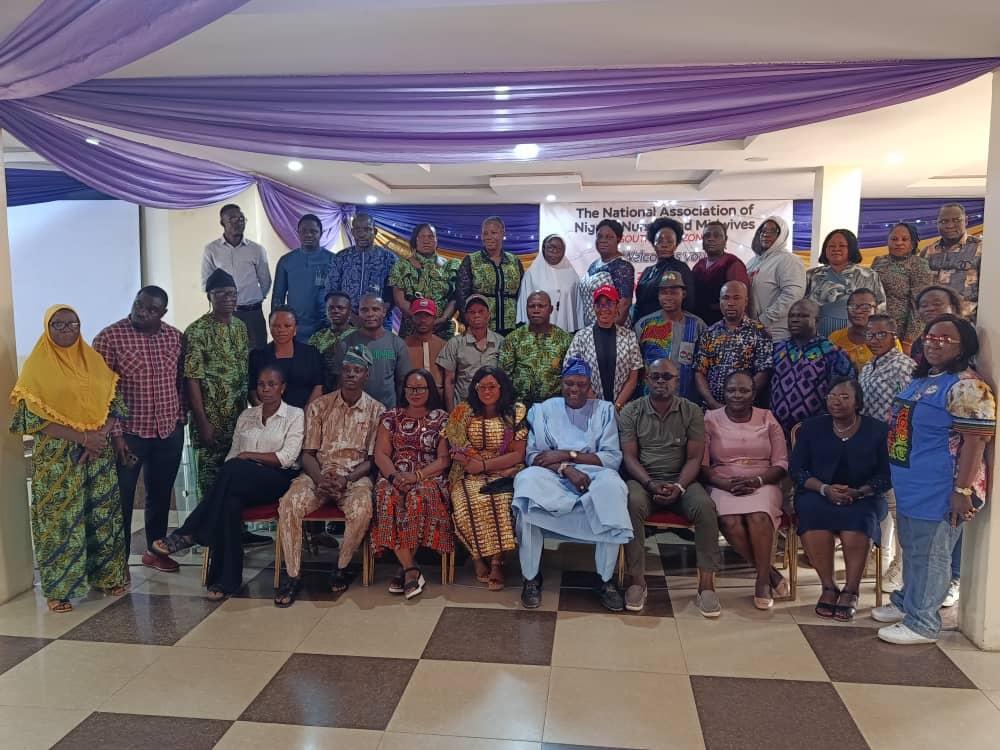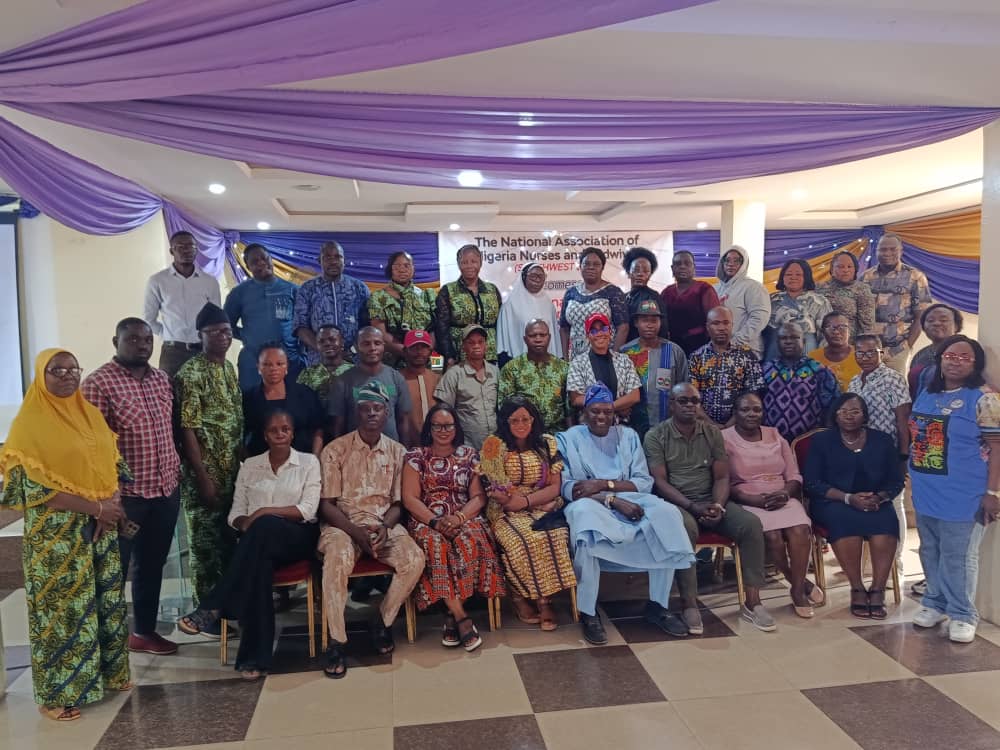
Nigeria’s health sector is facing a “hemorrhage” as thousands of nurses and doctors flee abroad for better opportunities, leaving behind a collapsing system, Comrade Rufus Olusesan, President of the Precision, Electrical & Related Equipment Senior Staff Association (PERESSA), has warned.
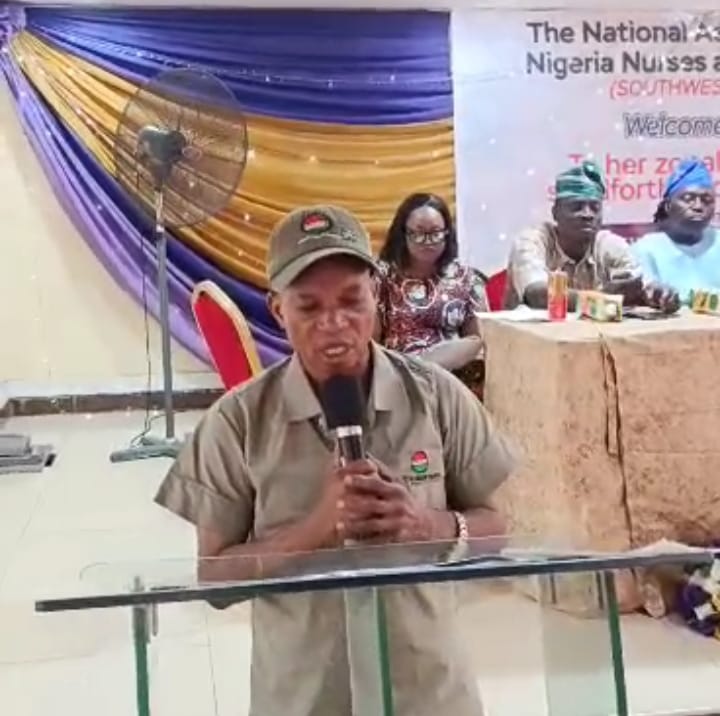
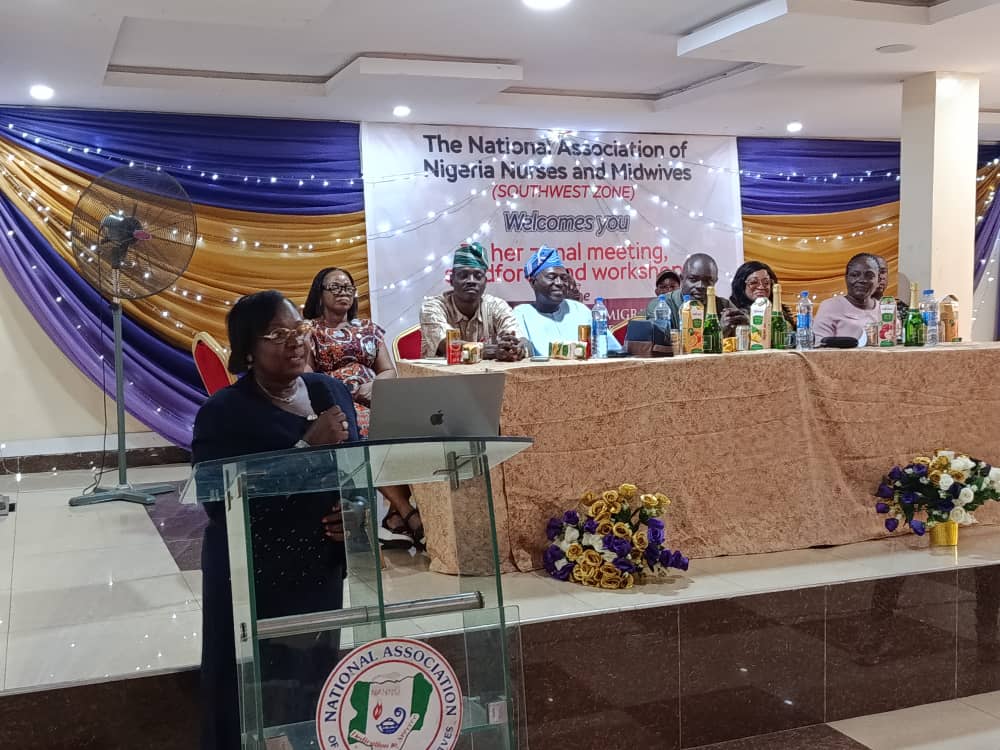
Speaking at the South-West Zonal Workshop of the National Association of Nigerian Nurses and Midwives (NANNM) in Lagos, Olusesan painted a grim picture of the nation’s health crisis, blaming poor funding, corruption, and exploitative labour practices for pushing workers out of the country.
“Our healthcare system resembles a patient in hypovolemic shock,” he said. “Maternal mortality is 512 per 100,000 births, under-five mortality equals a plane crash every week, and the nurse-to-patient ratio stands at 1 to 1,160 against WHO’s 1 to 300.”
According to him, the federal government’s per capita health budget in 2025 is just ₦1,339 – “less than the price of a loaf of bread.”
Exploitation and Exodus
Olusesan noted that both public and private hospitals are plagued by neglect and abuse of workers. While public facilities suffer from lack of equipment and corruption, private hospitals, he said, “treat nurses and doctors as disposable labour,” with many earning less than ₦60,000 a month without benefits.
This, he argued, is fueling mass migration. “In the first half of 2025 alone, 9,410 Nigerian nurses were admitted into the UK. Annually, about 22,000 nurses leave – equivalent to wiping out the entire workforce of three South-West states,” he said.
With Nigerian nurses earning about ₦180,000 monthly, compared to ₦3.8 million in the UK, the choice to migrate is “rational,” he said. But the cost to Nigeria is steep: an estimated $616 million worth of training investment lost every year to foreign health systems.
Union Weakening
Beyond migration, Olusesan warned of weakening labour unions due to declining membership and government hostility. “Between 2020 and 2024, NANNM lost a third of its dues-paying members,” he said, adding that this has undermined the union’s ability to defend workers’ rights.
Call to Action
He urged nurses to remain “stubborn” in demanding better pay, safe staffing, and adequate funding of healthcare. “The struggle is not simply for higher wages—it is for national survival,” Olusesan declared.
He concluded by challenging government to prioritize health funding and ensure dignity for workers: “Until Nigeria values its caregivers, it cannot claim to have a healthcare system at all.”