The decision of Tonye Cole to climb the 5, 895 meters tall Kilimanjaro mountain, seen as Africa’s highest peak; was a sacrifice the philanthropist offered to make to bring to the consciousness of Nigerians, the alarming increase of mental health issues in the country especially among the youths. He embarked on this audacious journey on the 14th of September 2024 with 12 other people, but ended up completing the five-day adventure to the peak of the mountain with his son alone and it took them another full day to descend the mountain known as the roof of Africa.
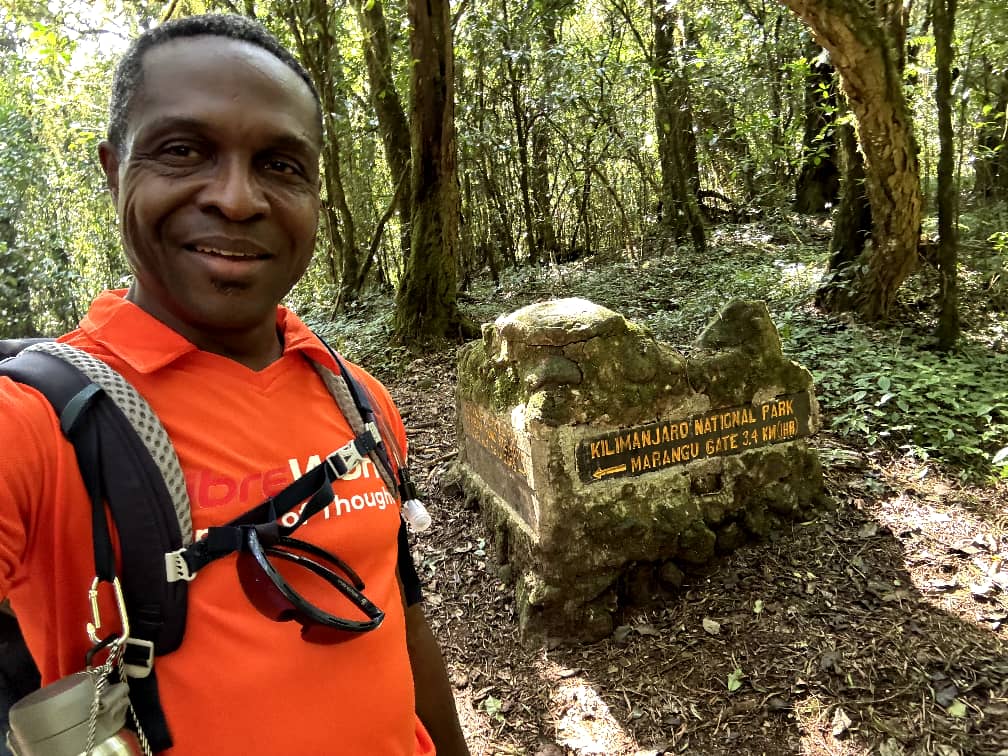
For Tonye Cole, a politician, businessman, and philanthropist, mountain climbing was a personal challenge, and achieving this success was not for him but for Nigerians, especially the youths who are going through different mental challenges. Aside from this mountain challenge, his desire to find a possible solution to the increasing rate of mental issues led to the formation of the Behavioral Health Institute in 2019, which has a collection of some of the best mental health practitioners in the country.
Cole explains more, tying the success of climbing Kilimanjaro to their mental health and the success of what they had to gain became important. In 2018, I gathered some of Nigeria’s top medical practitioners and I called them to ask questions about the situation of mental health in Nigeria. Amongst them are leading mental health practitioners. We have Sylvia Cole, Dr. Lanre Olusola, Onyedikachi Ekwerike, Dr. Chiadikobi Ndu, Dr. Ogonna Ndupu, Dr Maymunah Yusuf Kadiri, and Dr. Dorothy Jeff- Nnamani and we sat and looked at the statistics of mental health in Nigeria and practitioners to address mental health. One of the shocking discoveries was that for every one million Nigerians, you have just one medical practitioner across the board; therapist, psychiatrist, psychologist, or coach, only one attending to a million.
It was a frightening statistic, even the ones that we have; many of them were leaving the country for greener pastures and we were losing medical practitioners so it became necessary to set up an institute that would deal with advocacy and see how we can handle the challenges that Nigerians are facing, what we can do to keep medical practitioners back here in Nigeria. Then COVID-19 happened. We have not seen an increase in the number of medical practitioners that we have in Nigeria but what we have seen is a dramatic increase in the number of people suffering mental health in Nigeria, he noted
Cole added that the institute is dealing with the issue on three fronts which are awareness, stigma, and also letting people know that it’s okay to talk about their situation because Nigerian youths believe they don’t have people that will listen to them.
To achieve this arduous task, they have set up a platform where Nigerians who want to help pay for somebody but don’t have a channel they trust can go through them and help someone. Through some partnerships with firms like Leather Back, the institute has set up a platform where Nigerians who want to help can do so. There are Nigerians that want to help to pay for somebody but they don’t have a channel they can trust and we are providing a platform for those who want to sponsor any one of these Nigerians to find help, he added.
Reeling out statistics on the negative effects of mental health issues among the youth, Dr Maymunah Yusuf Kadiri, another board member of BHI, backed her claim with statistics from the World Health Organization. According to her, WHO statistics reveal that 50 percent of mental illness starts before the age of 14 and 75 percent before the age of 24 and these categories of people are in the workforce. She added that the age category of those getting involved in suicide is 15-29 years of age. The institute she explained is catering to people from 18-40 years, those e transiting from teenage to adulthood, the age they are getting into a relationship and getting married.
For Dr. Kadiri, Tonye Cole’s sacrifice of climbing the mountain with his son and backing his words with action by offering free therapy and counseling to 1000 youths is commendable. She expressed worry that anxiety, depression; and substance abuse are ravaging Nigerian youths which is a big problem.
Substance abuse is a mess and we used to take it as fun, it’s an addiction and this is a brain disease that can never be reversed again for some people. We have a center where people are going through rehabilitation. As a member of the board of BHI, the chairman said for every person that will receive therapy, they will have three therapy sections on the minimum a one-off may not work. However, the person may be referred for psychiatric evaluation if need be.
To get across to people more easily, the doctors will be using digital platforms, so when a person logs in somebody will speak to the patient to know who to refer him/her to. After the interaction, if they realize that you are having some level of mental illness, hallucination, or seeing strange things, they will refer you to a psychiatrist. Our goal is to ensure that people receive help when they need it she noted.
Dr Sylvia Cole, another member of the board explained that her role in the team is Advocacy and Cohesiveness. She expressed worry that because of the situation in the country, a lot of people are going through stress which is another mental issue. One peculiar thing seen in the youth today is erectile dysfunction and impotence which stems from the basis of mental health. She however suggested that people should learn to speak out when they are going through issues and the only way to encourage people to speak is to stop being judgmental.
People have to seek help early. We encourage help-seeking behaviors, if someone comes to you and you can’t handle it, please send the person to an expert and don’t make the person feel bad, Dr Sylvia noted